
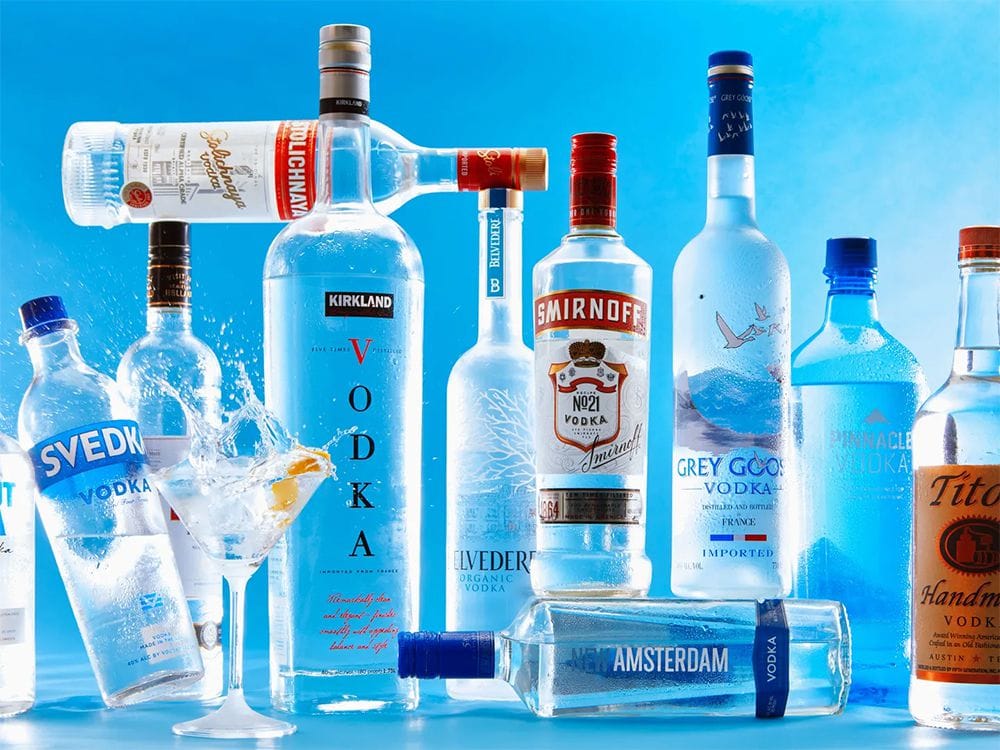
As a practitioner who has been deeply involved in the glass packaging industry for 20 years, I have seen countless spirits bottle designs make or break brand images. Today, I will take you through the world’s top vodka brands from an industry perspective – these brands not only have outstanding spirits, but their packaging designs are also textbook-level business cases. At the end of the article, we will also share how our team helps brands break through through customized spirits bottle solutions. If you want to see the dry goods directly, you can jump directly to the spirits bottle customization service.
What Is Vodka & How It’s Classified
According to EU and U.K. regulations, a spirit can be labelled as vodka only if it is made from ethyl alcohol of agricultural origin, distilled to at least 96% ABV and bottled at no less than 37.5% ABV after dilution. Similar rules exist in the United States, where vodka is defined as a type of neutral spirit with very little aroma, taste or color.
Sources: EU Regulation (EC) No 110/2008 on spirit drinks; U.K. Spirits Drinks Regulations; U.S. TTB Standards of Identity for vodka.
How We Rank the Top Vodka Brands
We do not rank vodka brands by popularity alone. For this list, we look at six factors: raw materials, distillation quality, bottle recognition, cultural identity, flavor development, and channel presence. These points help explain why some brands lead the category for years, while others remain local, seasonal, or easy to replace.
Top 12 Vodka Brands and Their Signature Bottles
Brand 11. Absolut
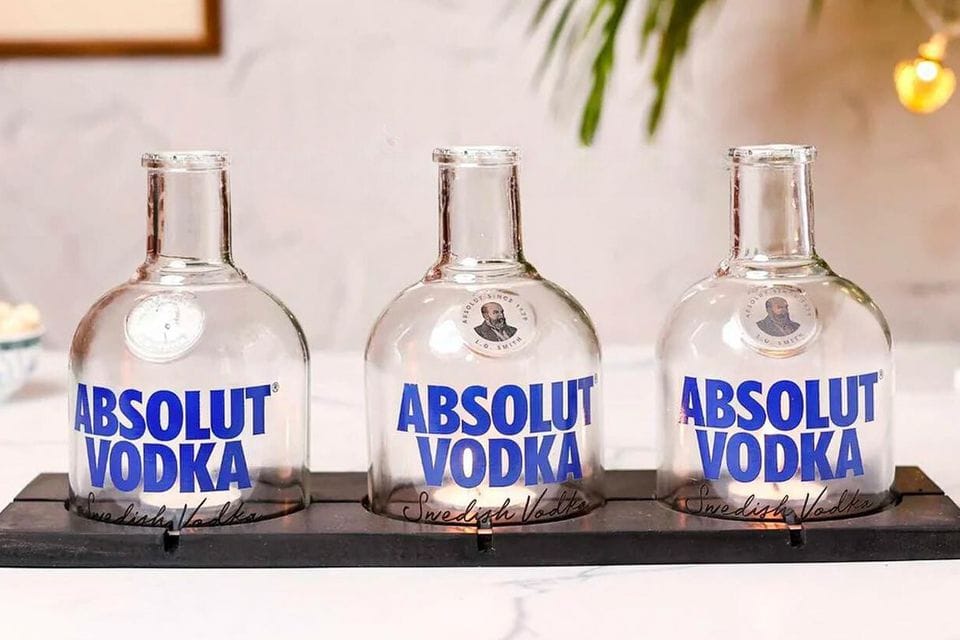
The brand that I have worked with the best at bottle marketing. Their Swedish pharmacy bottle shape has become an industry benchmark.
In 1879, Swedish spirits merchant Lars Olsson Smith invented the “continuous distillation” process and created the earliest “Pure grain alcohol” concept. In 1979, the “Absolut” brand was officially launched and quickly became popular with its minimalist bottle design and refreshing taste. The brand was originally bottled in an inconspicuous warehouse in the Swedish town of Åhus. The bottle was taken from the shape of a local traditional medicine bottle and unexpectedly became a fashion totem.
The classic medicine bottle shape has become an industry design template. It uses winter wheat as raw material, with a strong grain aroma, suitable for citrus cocktails. The environmentally friendly lightweight bottle launched in recent years reduces the use of glass by 15%, reflecting its adherence to the concept of sustainability.
Looking for a clean, iconic vodka bottle shape for your own brand?
See Our Custom Spirits Bottle Options →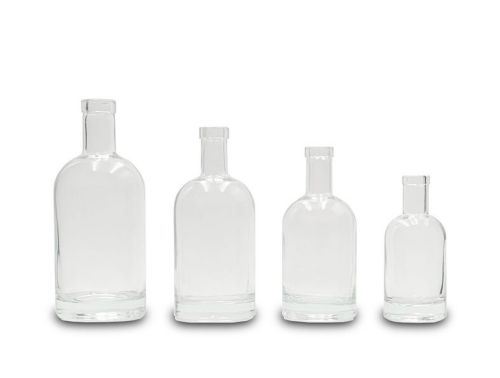
2. Grey Goose
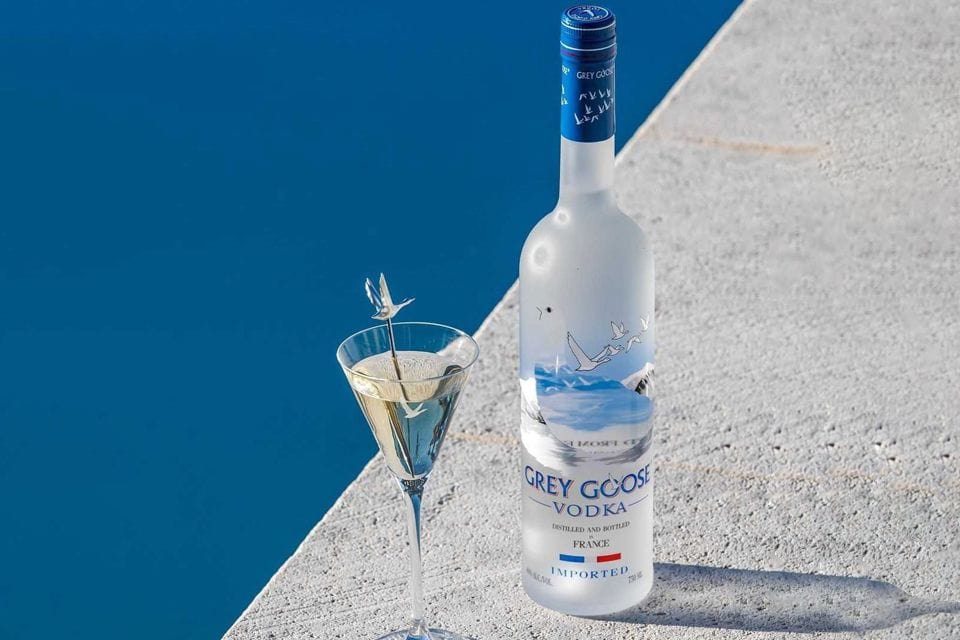
Grey Goose changed the way vodka was sold by treating it like luxury fashion. Before Sidney Frank launched it in 1997, vodka competed mostly on price and Eastern European tradition. He ignored both. By making it in Cognac, France, and using soft winter wheat, he gave the brand an immediate association with high-end European spirits, allowing it to command a much higher price.
The liquid is engineered to be extremely soft, which appeals to a large base of buyers who want a premium spirit without a harsh alcoholic burn. But the packaging did just as much work as the liquid.
Instead of an ornate design, Grey Goose used a very tall, frosted bottle. That height was a calculated move. Because the bottle was too tall to fit in the standard speed rails under a bar, bartenders had no choice but to display it on the top shelf. That simple physical constraint forced the brand into a premium position and made it impossible to ignore.
Want a premium curved spirits bottle that signals luxury from the shelf?
Wholesale Grey Goose Vodka style bottles →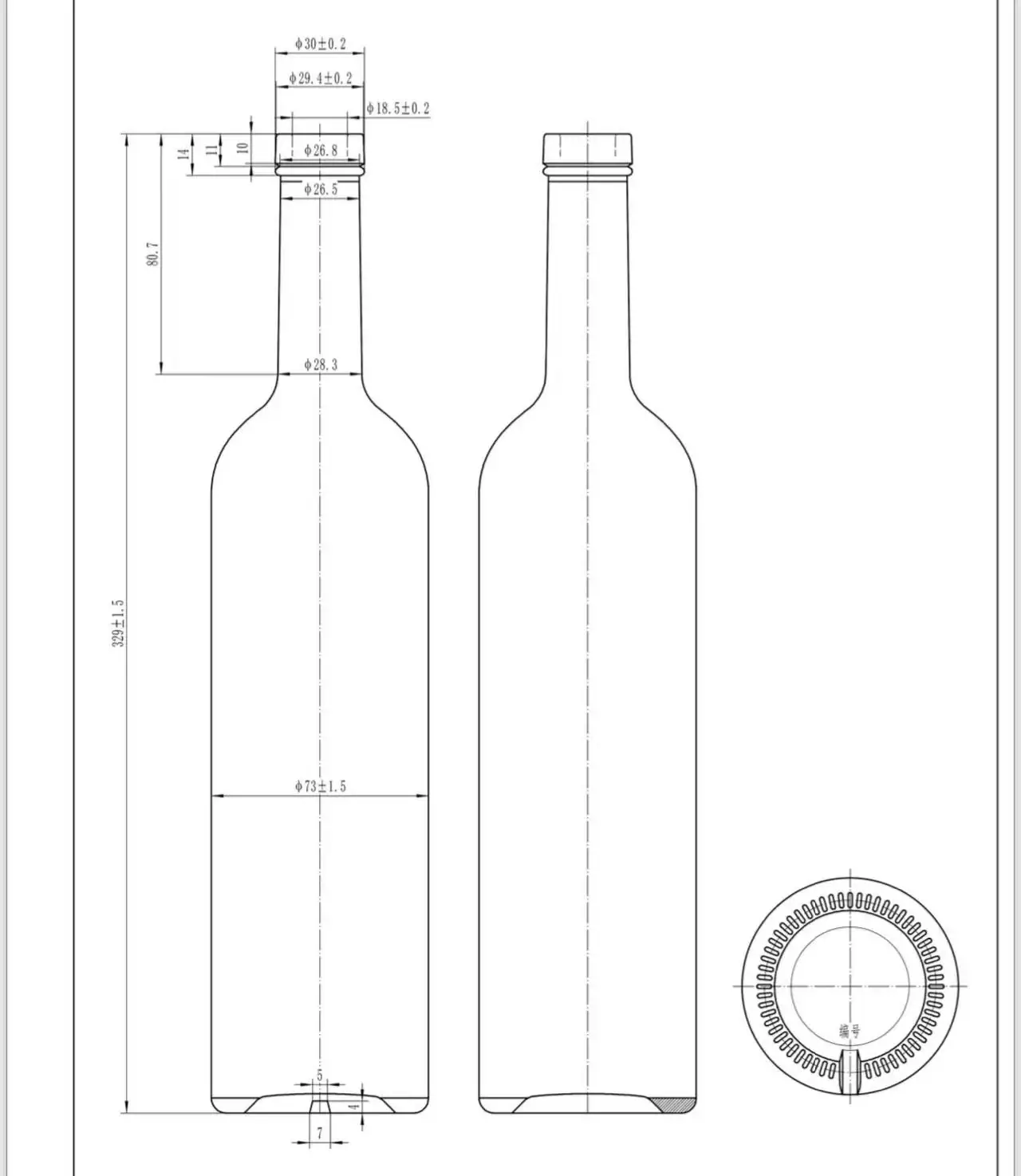
3. Smirnoff
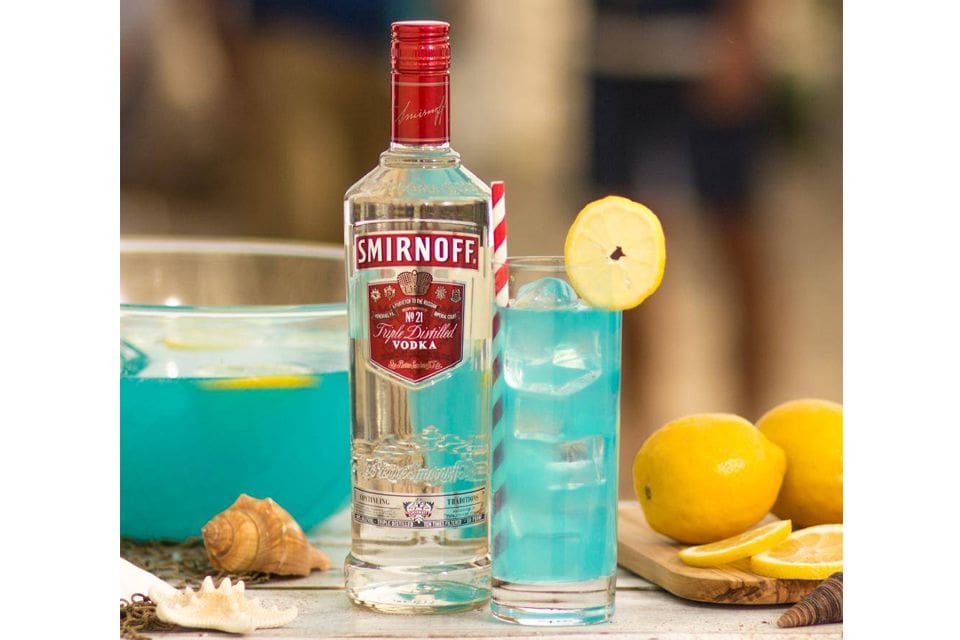
In 1864, Pyotr Smirnov opened the first vodka distillery in Moscow, adhering to the principle of “ten filtrations, pure as water”. In the Soviet era, Smirnoff was once nationalized by the state until it returned to the US market in 1933 through the relaxation of the “Prohibition”; now it has become the global sales champion. The secret of the king of cost-effectiveness lies in industrial scale. We provide it with standardized cylindrical bottles, and the groove design enhances the grip.
Independent industry rankings also show that mass-market brands remain dominant in volume. Recent sales data still place Smirnoff as the world’s top-selling vodka brand, with more than 24 million nine-liter cases sold in 2024.
Sources: Global vodka market analyses from multiple industry research firms (2023–2024), covering premiumization trends and regional demand growth in North America, Europe and emerging markets.
Product Features: Ten filtrations ensure extreme purity, and the Red Label series is extremely cost-effective. Industrial-scale production makes it the world’s best-selling vodka. The standard cylindrical bottle design focuses on grip and transportation efficiency, and is often used as a base for cocktails such as ginger beer.
Need reliable, high-volume cylindrical spirits bottles for your vodka brand?
Request a Bulk Bottle Quote →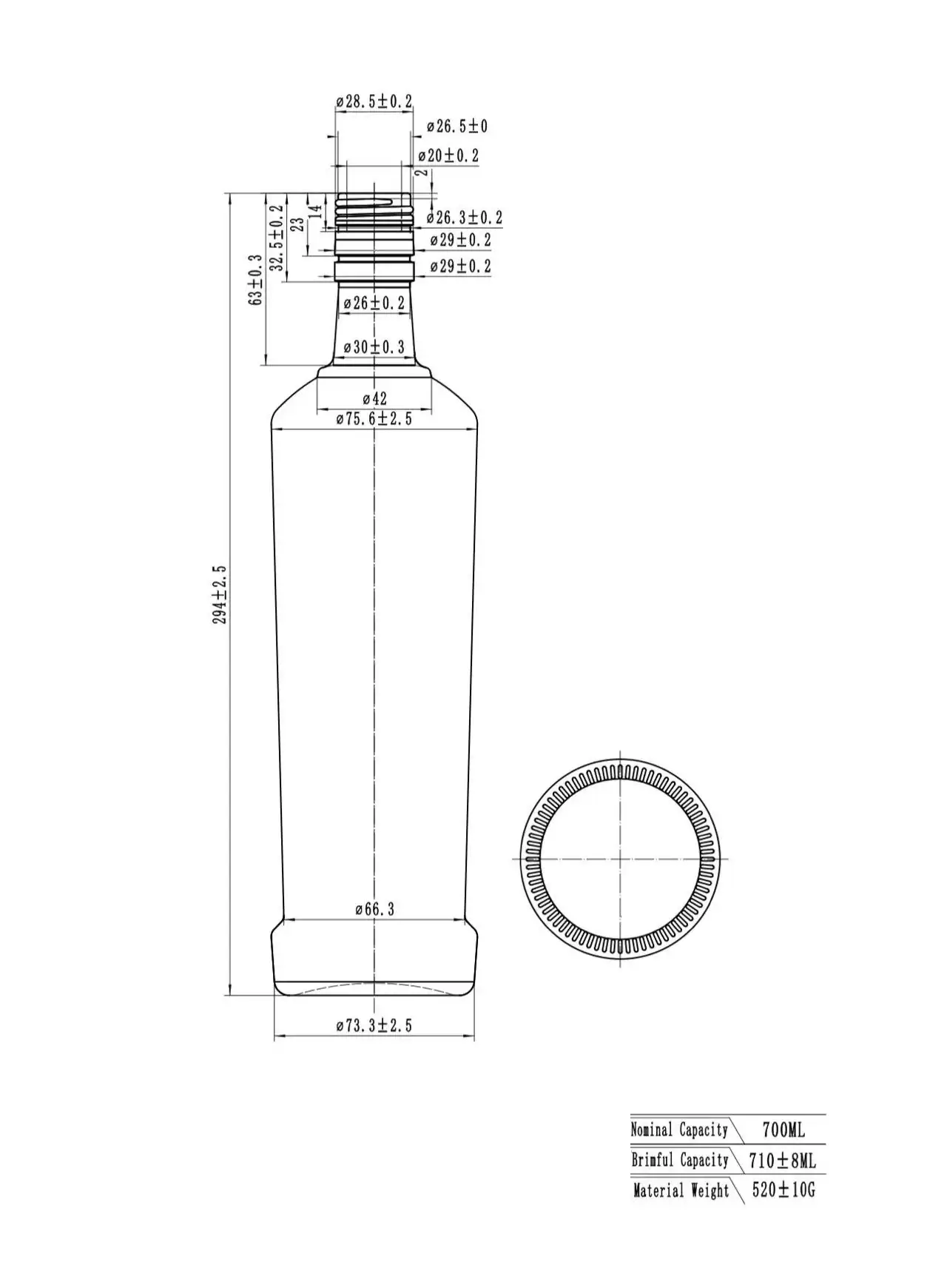
4. Belvedere
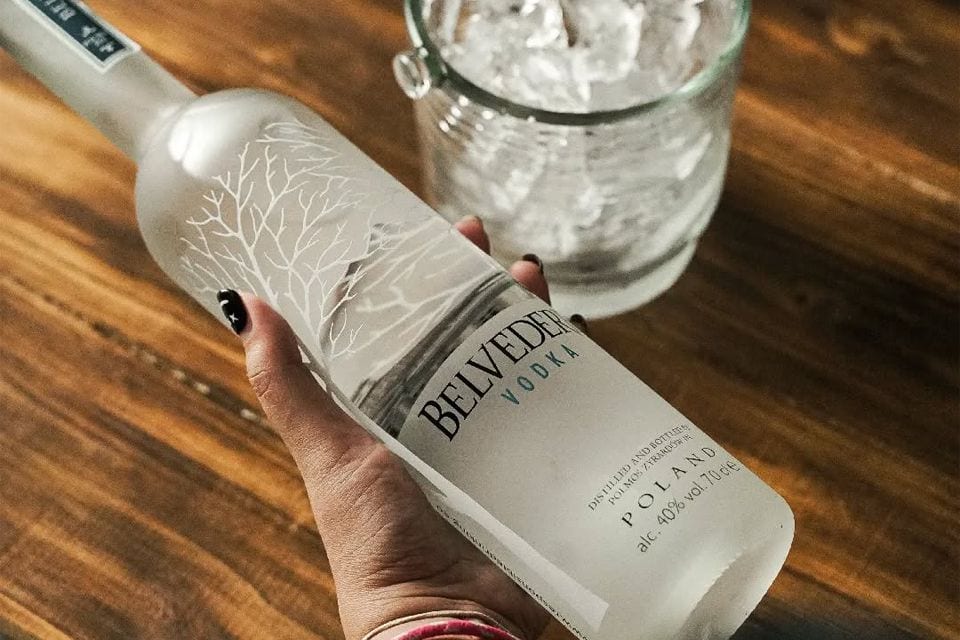
Belvedere matters because it proved a vodka brand could go premium without inventing a fake backstory. Launched in 1993, it leaned into something much stronger: Polish rye, Polish vodka tradition, and a name taken from the Belweder Palace in Warsaw, which also appears on the bottle.
What makes Belvedere work is that it never looks desperate. A lot of vodka bottles try to shout “luxury” with thick glass and too much detail. Belvedere goes the other way. The frosted bottle, the clear window, and the palace image do enough on their own. You see it once and you remember it. That is good packaging. It gives the brand a sense of place without making it feel old-fashioned.
Brand 55. SKYY

SKYY belongs on this list because it gave American vodka a look people could spot instantly. Founded in San Francisco in 1992, it built its identity around a cleaner, more modern image than many older European brands.
The blue bottle did most of the work. It stood out behind the bar and helped SKYY become part of U.S. nightlife culture.
But that same strength also set a limit. SKYY was visible, but it never carried the same global scale or category influence as Smirnoff or Absolut.
That is why it belongs in the top group, but not at the top of it.
Brand 66. Finlandia Vodka
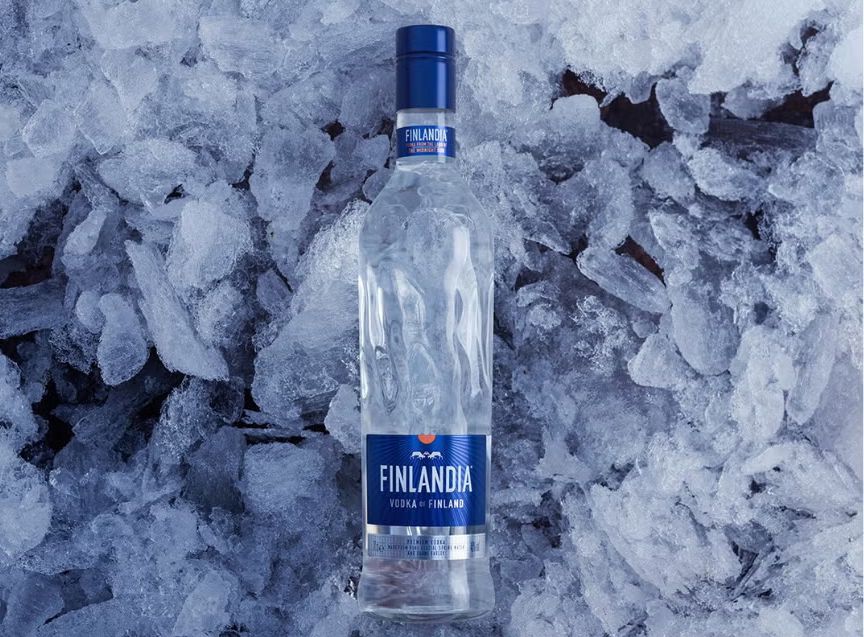
Finlandia got noticed early because it picked one idea and stayed with it: northern purity. Back in 1970, that still felt fresh. Finland, cold air, clean vodka. The message was simple, and that was exactly why it worked.
What Finlandia understood better than most brands was that vodka does not always need a complicated story. Sometimes a clear image is enough. You look at the bottle, the name, the whole presentation, and you get it right away.
Still, I would not put it near the top tier. Finlandia built a strong identity, but it never had the same weight as Absolut or Smirnoff, and it never shifted the category the way Grey Goose did later. It is memorable. It is just not that influential.
Brand 77. BELUGA
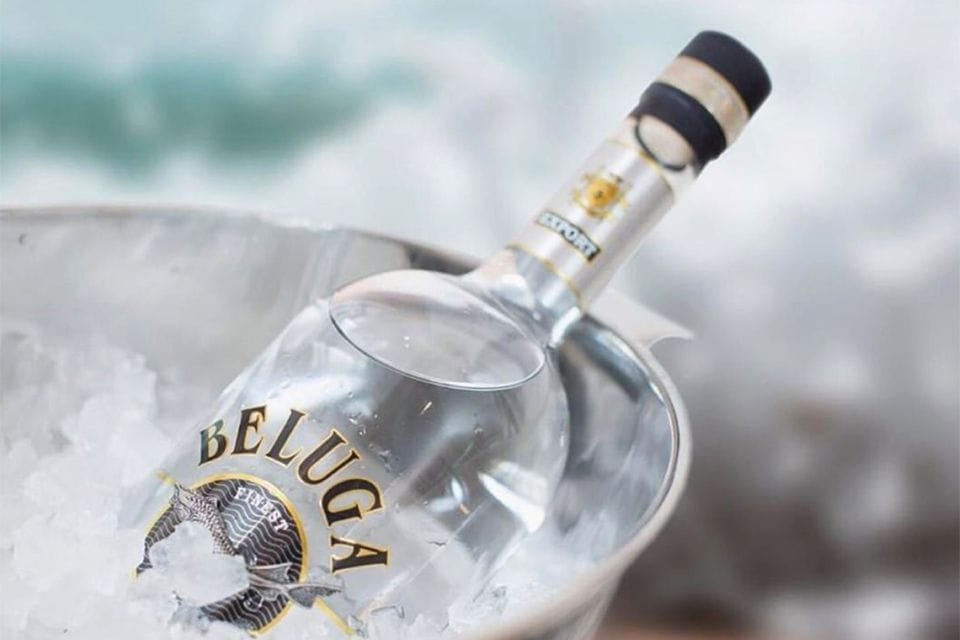
Beluga always felt like a brand that understood premium vodka as theatre. Siberia gave it the setting. The name did the rest. Cold, distant, slightly severe. For this part of the market, that already gets you a long way.
The bottle is well judged. Not flashy. Just textured enough to feel different in the hand, and on some editions the wooden stopper adds a bit of ritual. That detail matters more than people think. In vodka, half the sale often happens before the first pour.
Still, I would not put Beluga anywhere near the very top. It sells mood extremely well, but mood is not the same thing as influence. Absolut changed the visual language of vodka. Smirnoff owned scale. Grey Goose changed price expectations. Beluga did none of those things. It built a luxury image. A good one, too. It just did not move the category.
Brand 88. Ketel One
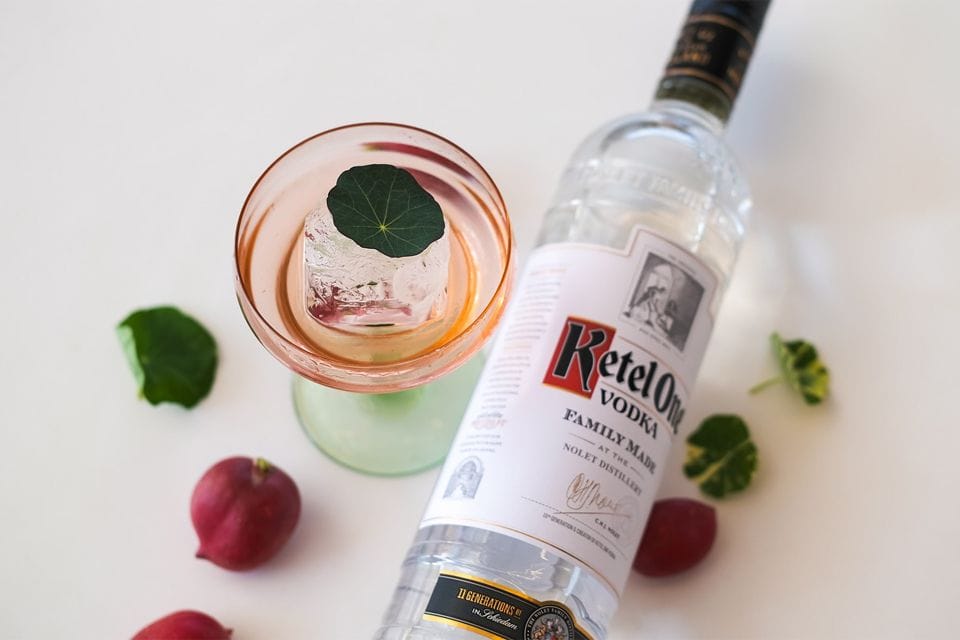
Ketel One has always felt like an old house that knew better than to repaint everything. The Nolet family history gives it weight, but the brand works best when it does not make too much of that. You can sense the Dutch distilling tradition in it without being bludgeoned over the head with heritage.
The spirit itself has more character than a lot of modern vodkas care to admit. The copper still story helps, and so does that faintly toasted edge that keeps it from tasting too polished or too anonymous. The bottle lands in much the same place. Clean lines. A bit of old machinery in the look of it. Nothing fashionable, which is probably why it has lasted.
I would still stop short of putting it near the top of the list. Ketel One has credibility, and bartenders trust it, but it never bent the category around itself. It did not change the way vodka looked, and it did not change what people expected to pay. It simply stayed good at what it was, which is respectable, though not quite the same as being defining.
Brand 99. Cîroc
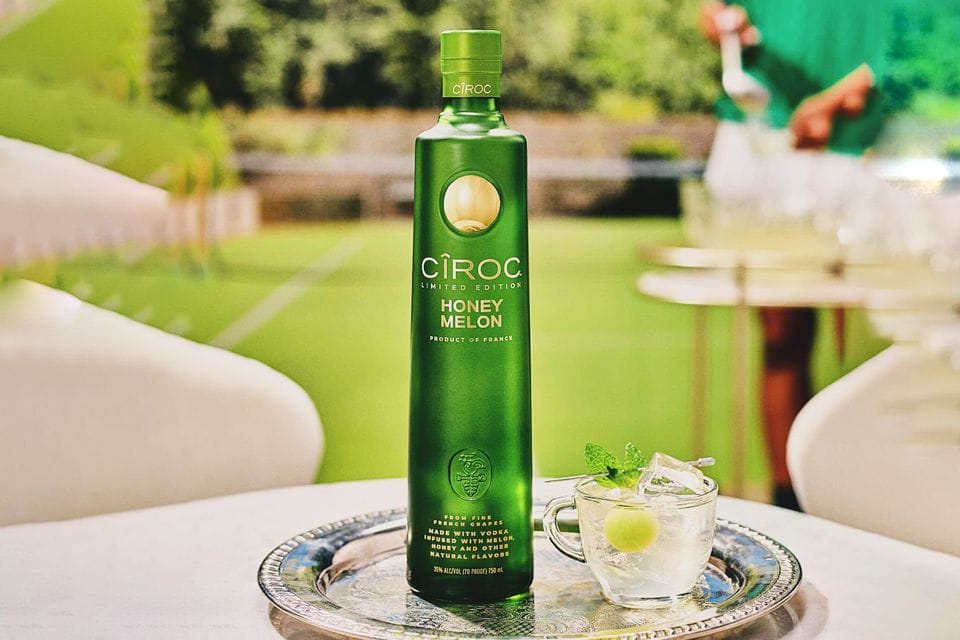
Cîroc was clever from the start. In a category full of grain vodka and old-world posturing, it came in from the south of France and used grapes. That alone was enough to make people stop and look twice. You did not need to be an expert to understand the pitch. This was vodka, but dressed in a different accent.
The bottle plays the same game. Faceted, polished, a touch cold when it needs to be. Once chilled, it looks even better, which was never an accident. Cîroc was built for visibility. Not just on a shelf, but in a nightclub, on a back bar, in someone’s hand.
I would not call it a foundational vodka brand, though. It opened a new lane and made good use of image, but it did not shape the category in the way Absolut or Grey Goose did. Cîroc is better at creating desire than setting the standard. That is not a weakness, exactly. It is just the reason it sits on the list rather than at the top.
Brand 1010. Wyborowa
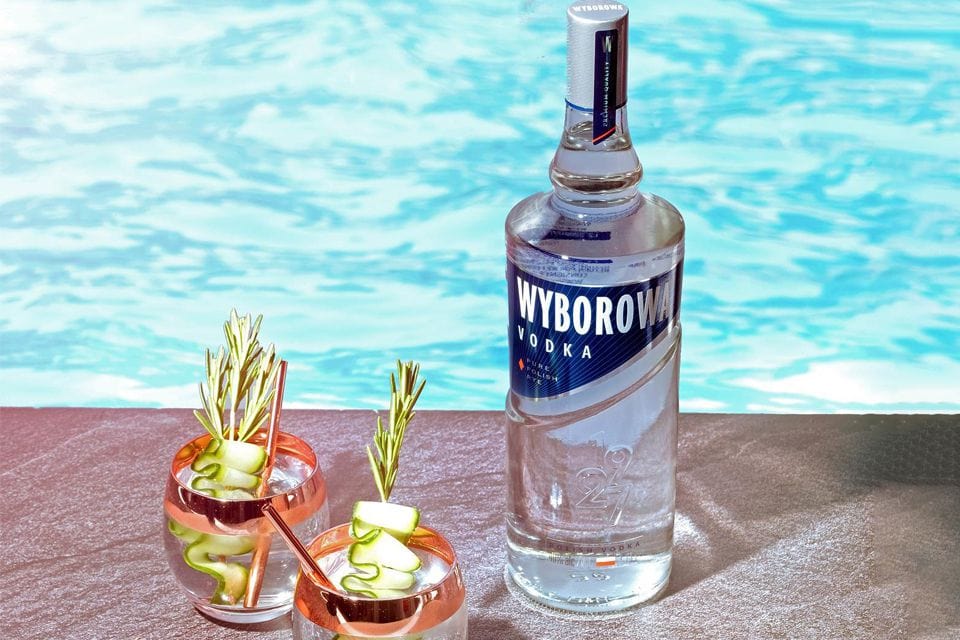
Wyborowa belongs on any serious vodka list simply because it has been around long enough to matter. Founded in 1823, it was one of the Polish names that helped carry vodka beyond its home market and into the wider European and American trade. That history gives it more authority than many newer brands can borrow or buy.
What I have always liked about Wyborowa is that it does not try to prettify itself. The rye-led profile gives it proper grip, a bit of spice, and more character than the cleaner, blander vodkas that only want to taste neutral. The name means “carefully selected”, and in this case the brand has generally been sensible enough not to overcomplicate the message.
It is not a top-tier global force, though, and pretending otherwise would be silly. Wyborowa has heritage, but heritage on its own does not move the category. It feels more like a vodka people respect than one they actively rally around. In other words, a real name, a solid one, just not the brand that changed the game.
Brand 1111. Crystal Head

The pinnacle of bottle marketing. Co-founded by Hollywood star Dan Aykroyd and artist John Alexander in 2008, it aims to break the design boundaries of traditional vodka.
Made from glacial water from Newfoundland, Canada, filtered seven times, including once with diamond activated carbon. The skull-shaped bottle is made using a 3D printed mold, and the 24-facet design of the bottleneck symbolizes the “spiritual sublimation” in alchemy.
12. Russian Standard
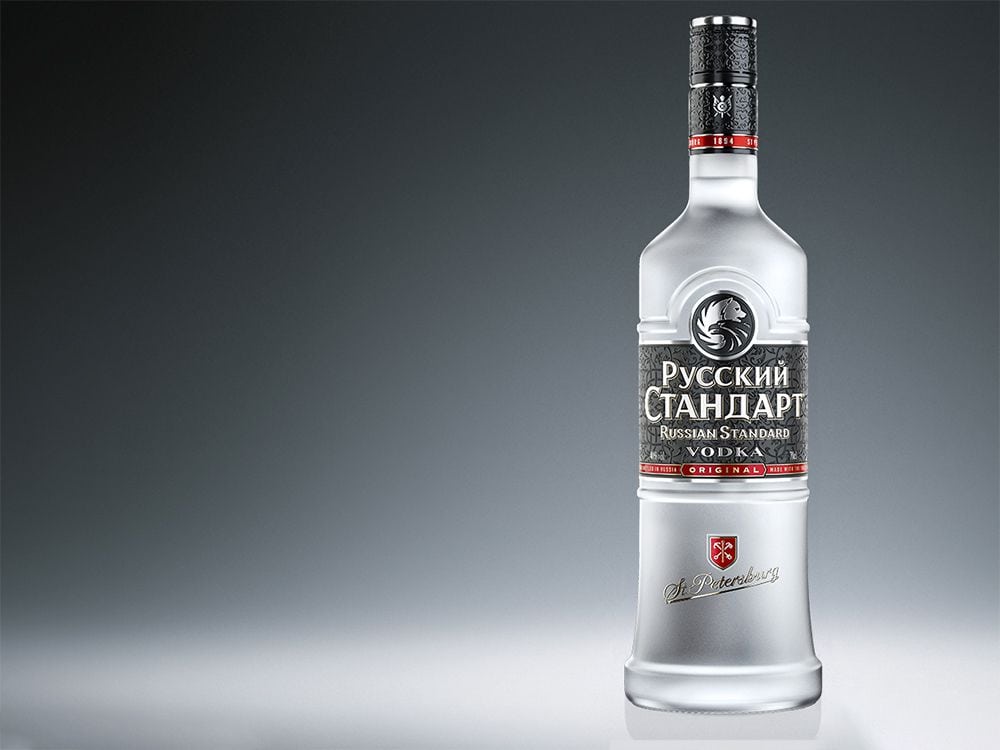
Launched in St. Petersburg in 1998, the formula refers to the “national standard vodka concentration” theory formulated by Mendeleev in the 19th century.
Combining scientific precision with traditional distillation technology, the bottle is equipped with a temperature-sensing label that turns blue when cold, intuitively indicating the best drinking temperature. It is recommended to be consumed with caviar after freezing. The slope of the bottle shoulder is ergonomically adjusted to improve stability and smoothness when pouring.
Why Packaging Specifications Influence Vodka Brand Ranking
In global vodka distribution, glass bottle specifications directly affect brand scalability. Top-tier vodka brands typically standardize:
- Bottle weight ranges (to control logistics cost and breakage rates)
- Glass clarity grades (high-flint vs. standard flint)
- Mold ownership to prevent design dilution across suppliers
Brands that rely on inconsistent bottle sourcing often face delays, quality disputes, or forced redesigns when entering new markets.
From a supply-chain perspective, vodka brands that control their packaging specifications are structurally more resilient than those that outsource design decisions entirely.
Insights into spirits bottle design trends
From the 120+ brands I have worked with in recent years, I have summarized the design logic of three popular bottle types:
- Tactile economy: The gooseneck arc of Grey Goose and the scale pattern of Beluga make consumers reluctant to put them down
- Light effect play: Deep blue cobalt blue light transmission and Ciroc faceted refraction increase shelf recognition by more than 50%
- Environmental narrative: Absolut Vodka’s lightweight bottle and Finland’s recycled glass increase the purchase rate of Generation Z by 34%
Our team’s latest innovation, the Smart Stopper, features a built-in NFC chip for tracing the liquid’s provenance and even supports AR interactive games—and it’s already been pre-ordered for launch by three leading brands.
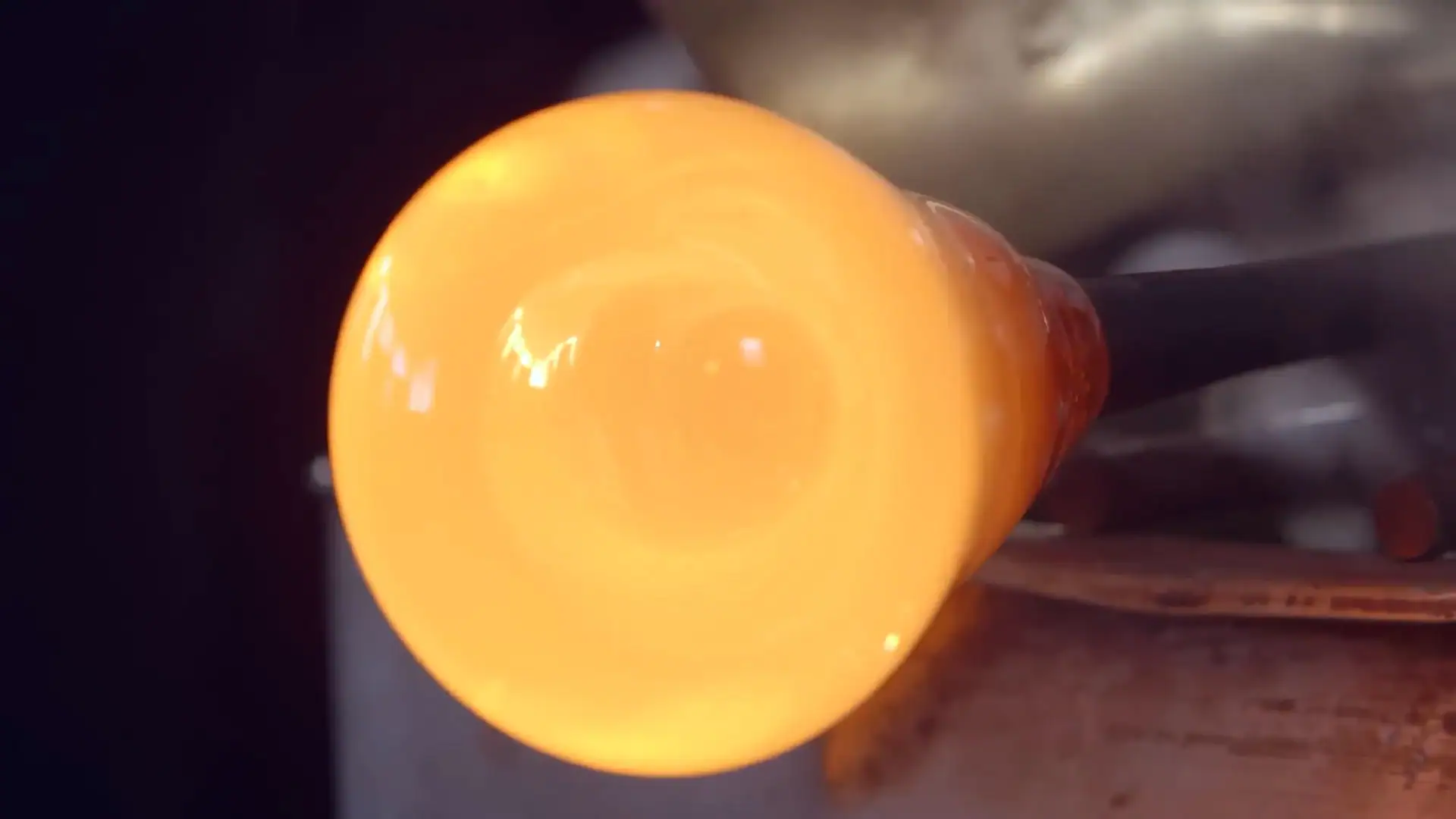
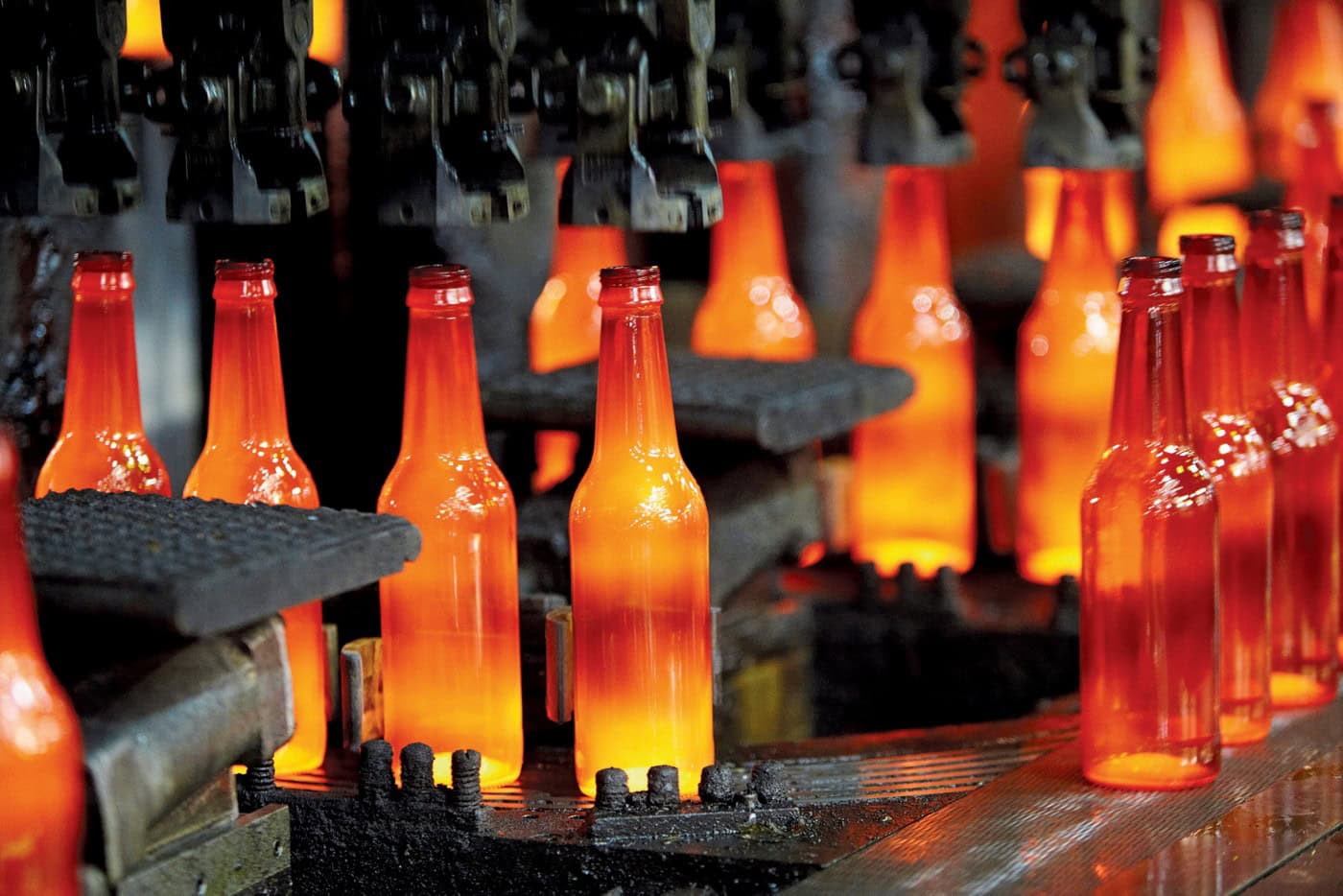
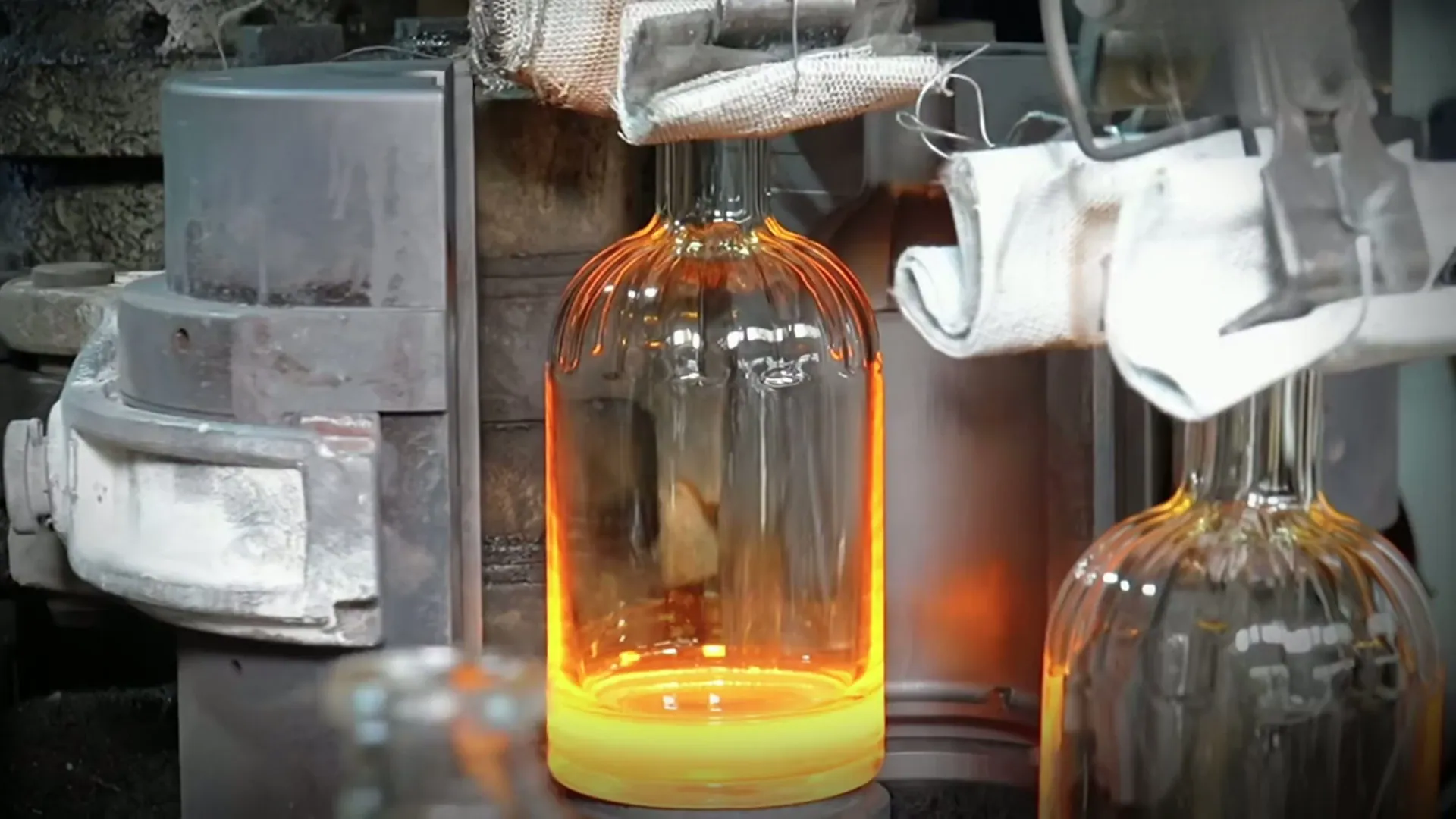
If you’re curious about how these bottles go from design drawings to mass production, we explain the entire process in detail in our engineer’s guide, “How Glass Bottles Are Manufactured in Modern Factories” This includes everything from raw material selection and furnace operation to molding, annealing, inspection, and packaging.
This will help you understand which technologies are feasible when developing a new vodka bottle.
Vodka is a large, growing global market
Globally, vodka is one of the largest spirits categories. Recent market studies estimate the vodka market at around 28–30 billion US dollars in 2024, with forecasts of mid-single-digit annual growth over the next decade as demand for premium and flavored vodkas expands in North America, Europe and emerging markets.
Sources:Independent spirits sales rankings and annual volume reports from international beverage industry publications, including top-selling vodka brand data for 2024.
Advice for entrepreneurs
If you want to enter the vodka market, remember these three cost optimization tips:
- Choose a 320ml slender bottle, which saves 18% of glass compared to standard bottles and looks high-end
- The hot stamping process is 15% more expensive than silk screen printing, but the customer unit price can be increased by 40%
- Cooperate with professional spirits bottle suppliers to customize molds, and a minimum order quantity of 10,000 can achieve a unique bottle shape
The degradable corn bottle designed for an emerging brand recently cost only 20% more than glass, but the social media communication volume soared by 300%. This is the premium magic of packaging design.
Whether you want to reproduce the classics or break through innovation, remember: The spirits bottle is the first brand story that consumers touch. The German laser engraving equipment newly introduced by our team can achieve a micro-engraving process with a precision of 0.05mm on the bottle body. This kind of detail processing can make your product stand out on the e-commerce details page.
Need a customized solution? Consult our glass bottle expert team now. The first 50 consultants can get free 3D design drawings of popular bottle shapes.
Vodka FAQs
Q1. What is considered the best vodka in the world?
There is no single best vodka for everyone. Brands like Belvedere, Grey Goose and Chopin often rate highly in blind tastings for smooth texture and clean finish, but personal taste, price and drinking method determine the best choice.
Q2. Is expensive vodka really better than cheap vodka?
Not always. Premium vodkas may offer a smoother mouthfeel or refined filtration, but many mid-range vodkas perform similarly in blind tastings; for cocktails a good mid-priced bottle is usually sufficient.
Q3. What is vodka made from and how is it produced?
Vodka is distilled from fermented agricultural materials—grains, potatoes or sometimes grapes. The spirit is distilled to high strength (around 95–96% ABV), then filtered and diluted with water to bottling strength (typically 37.5–40% ABV).
Q4. Do all vodkas taste the same?
No. Base material, distillation method, filtration and water source create subtle differences: grain vodkas can be crisp, potato vodkas creamier, and grape-based vodkas softer—differences most noticeable when tasted neat.
Q5. What is the healthiest way to drink vodka?
Health depends on quantity and frequency rather than brand. Choose additive-free, gluten-free labels if needed, mix with low-sugar mixers, and consume in moderation to reduce health risks.